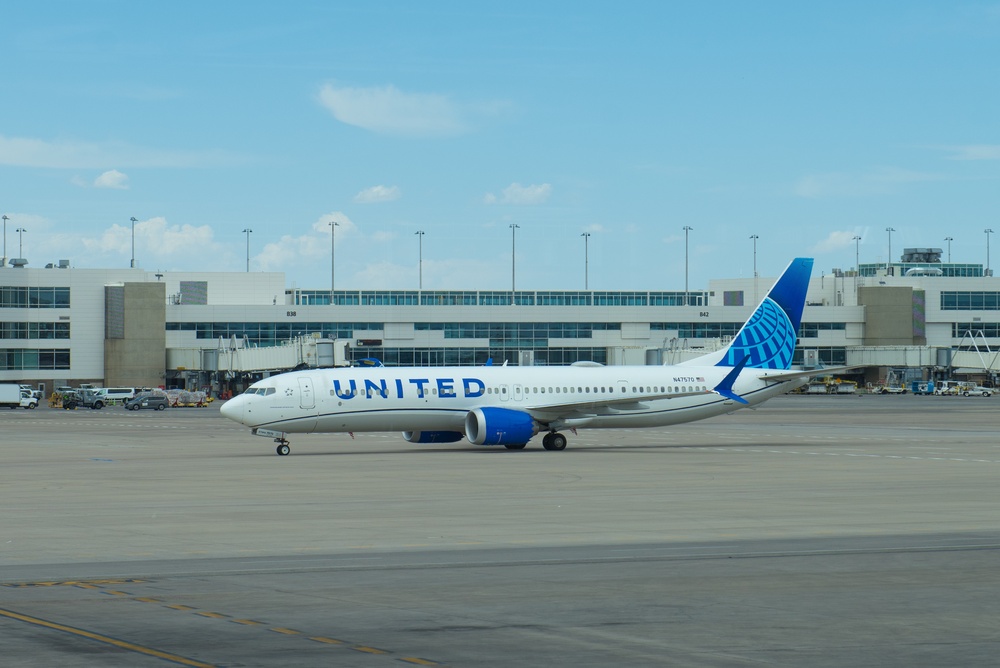
US aircraft manufacturer Boeing faces another software challenge involving its flagship 737 MAX model. The newly identified glitch could unexpectedly disable automated navigation under specific circumstances.
Limitations After a Missed Approach
At the heart of the problem is a recent cockpit software update. The glitch occurs particularly when pilots need to change the planned flight path after a missed approach. The system failure could force them to fly manually at low altitude without the support of certain key autopilot functions. Although Boeing informed aircraft operators in late August that the glitch did not pose a safety risk, practical experience has suggested otherwise.
From Initial Assessment to Formal Review
The handling of the issue has not been without complications. The manufacturer first learned of the glitch in November 2024 but initially concluded that it did not meet the criteria requiring a safety review. The turning point came only this month, following additional feedback from airlines. Boeing subsequently launched a formal investigation and shared its findings with the Federal Aviation Administration (FAA). A senior FAA official confirmed to The Wall Street Journal (WSJ) that the agency was actively investigating the matter and would take appropriate action if necessary.
Airlines Request an Earlier Version
These developments prompted major customers to exercise caution. According to WSJ sources, Southwest Airlines and United Airlines asked Boeing to deliver new 737 MAX aircraft with an earlier, proven version of the software instead. In response, the manufacturer is developing a temporary fix and instructions that would allow pilots to restore automated navigation in an emergency. It is also working intensively to accelerate a permanent solution, originally scheduled for deployment in early 2028. However, the exact number of aircraft currently operating with the affected software remains unclear.
Potential Implications for Other Models
The stakes are high, and the significance of the process extends beyond aircraft already delivered. According to WSJ’s findings, the software glitch could complicate and delay certification of the anticipated 737 MAX 10 model, as well as the market launch of the MAX 7. In the coming period, it will therefore be crucial to monitor both the final conclusions of the FAA’s regulatory investigation and whether Boeing can actually shorten the current development timeline for the permanent fix.
Five-Year Stock Performance Remains Negative
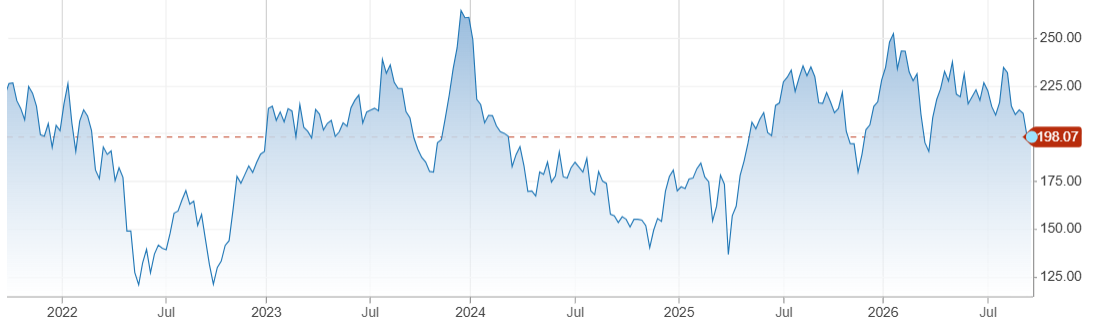
The software issue underscores the broader circumstances the US aerospace giant has faced for some time. Boeing Co shares are currently trading approximately 23.32%* below their level five years ago. Although this long-term stock market decline cannot be directly attributed to the newly announced glitch, market and public attention is now focused even more closely on how quickly the manufacturer resolves the problem and the outcome of the regulatory review.
Boeing Co Five-Year Share Price Performance [EUR]*
(Source: CNBC)
*Past performance is not a guarantee of future results.
Sources:


